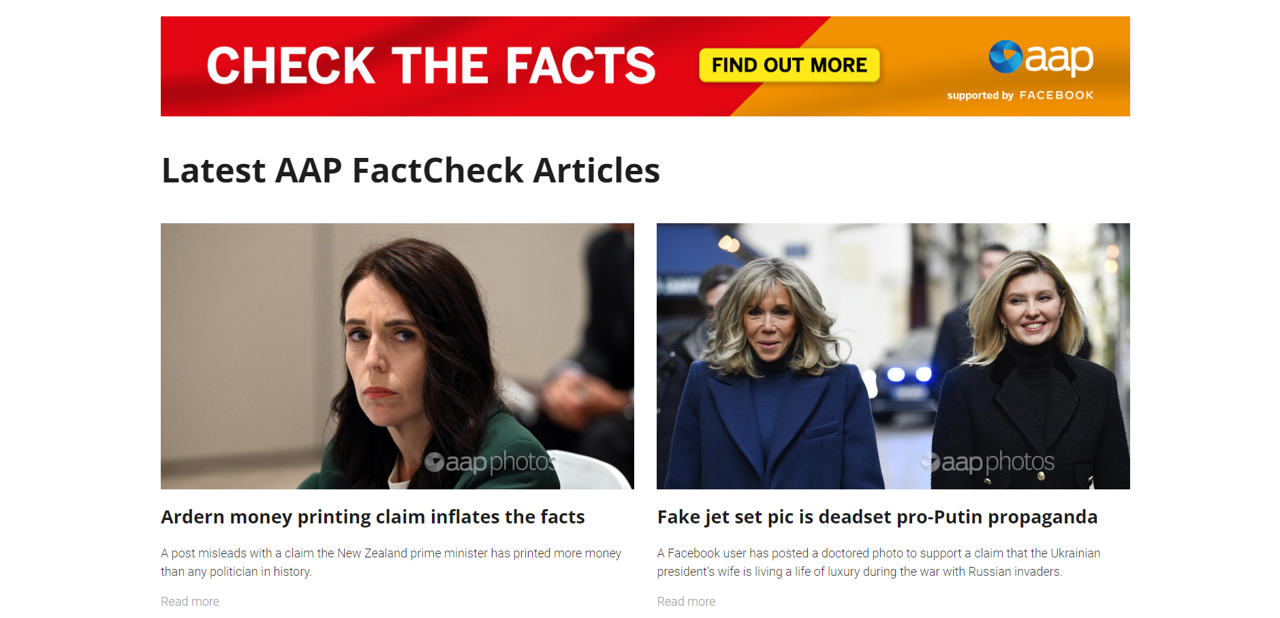
Millions of new articles are published online every day. Unfortunately, not all of them are factual or true, making it hard for anyone to distinguish fact from fiction. Fact Check tools can help you find articles that debunk false or misleading claims.
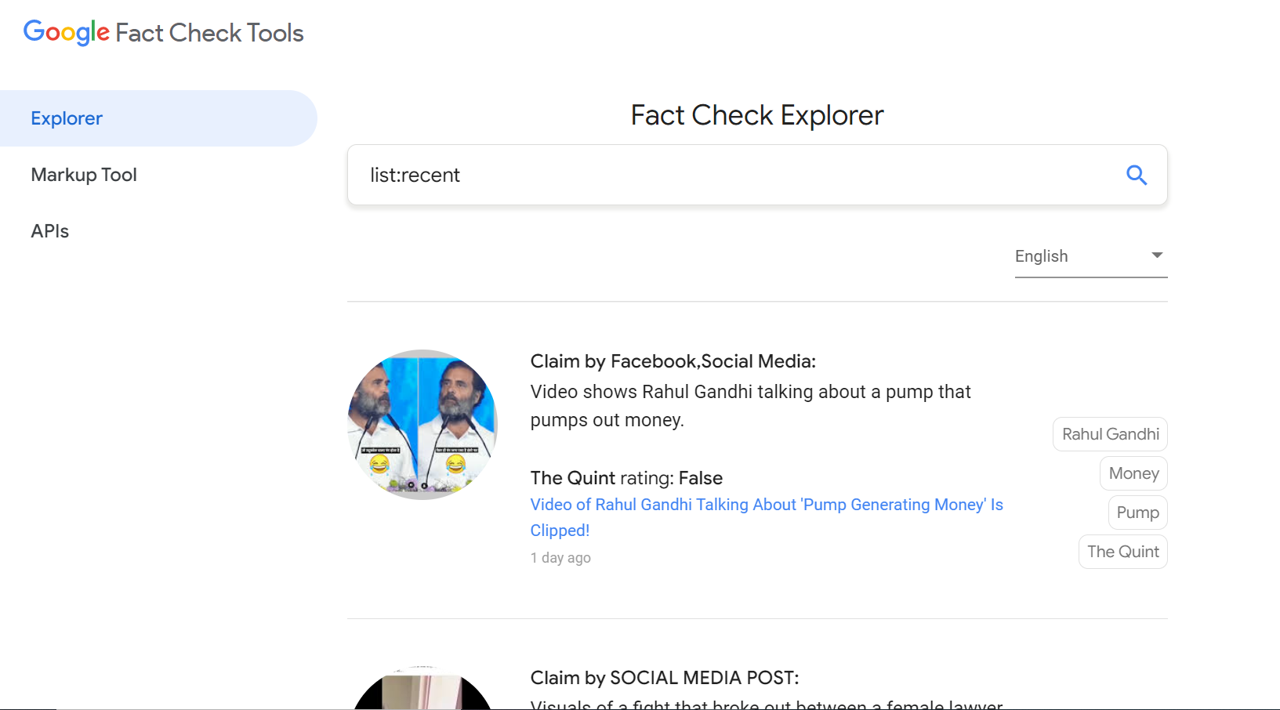
Google’s Fact Check Explorer is designed to facilitate the work of fact checkers, journalists, and researchers in discovering what has and hasn’t been debunked all over the globe. Think of it as a search engine for fact checks that can help you determine fact from fiction
STEP 1 – To find existing fact checks about topics or people, go to toolbox.google.com/factcheck/explorer.
STEP 2 – Type in a keyword to see the latest fact checks tagged with that word.
STEP 3 – Search results are listed by recency and include the name of the organization that conducted the fact check and how they rated the claim (for example: “false” or “incorrect”). To read the entire fact check, click the link provided.
STEP 4 – To see the most recent fact checks across all topics, click Recent fact checks. To search by publisher, use the search modifier site: and enter their URL and your keyword.
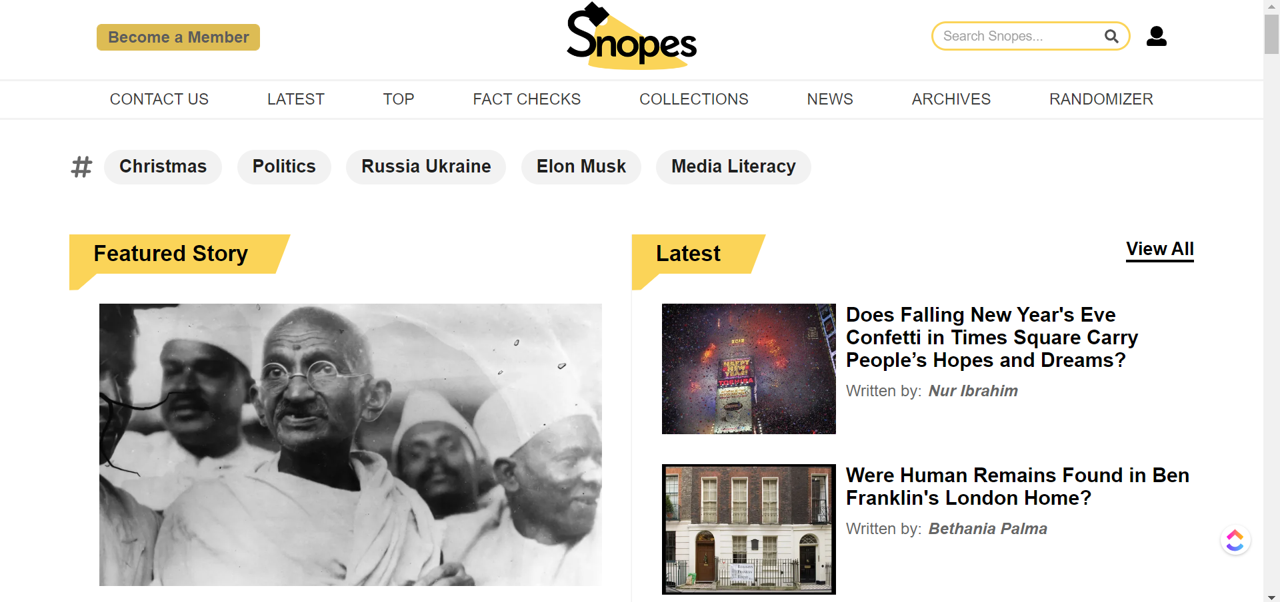
Snopes is a fact-checking site for an evidence-based and contextualized analysis. Through it, you will be able to check the latest fact checks.
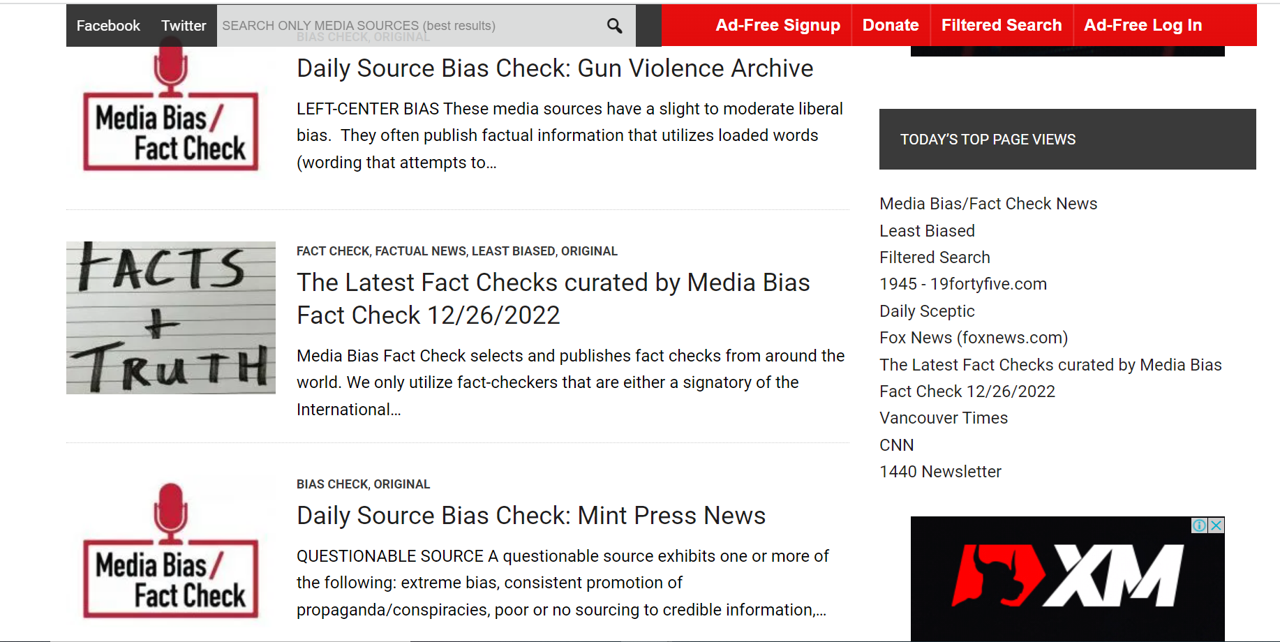
Media Bias is a comprehensive media bias resource on the internet. There are 5300+ media sources and journalists listed in this resource. Users can Use the search feature in the Header to check the bias of any source. Through typing name or URL
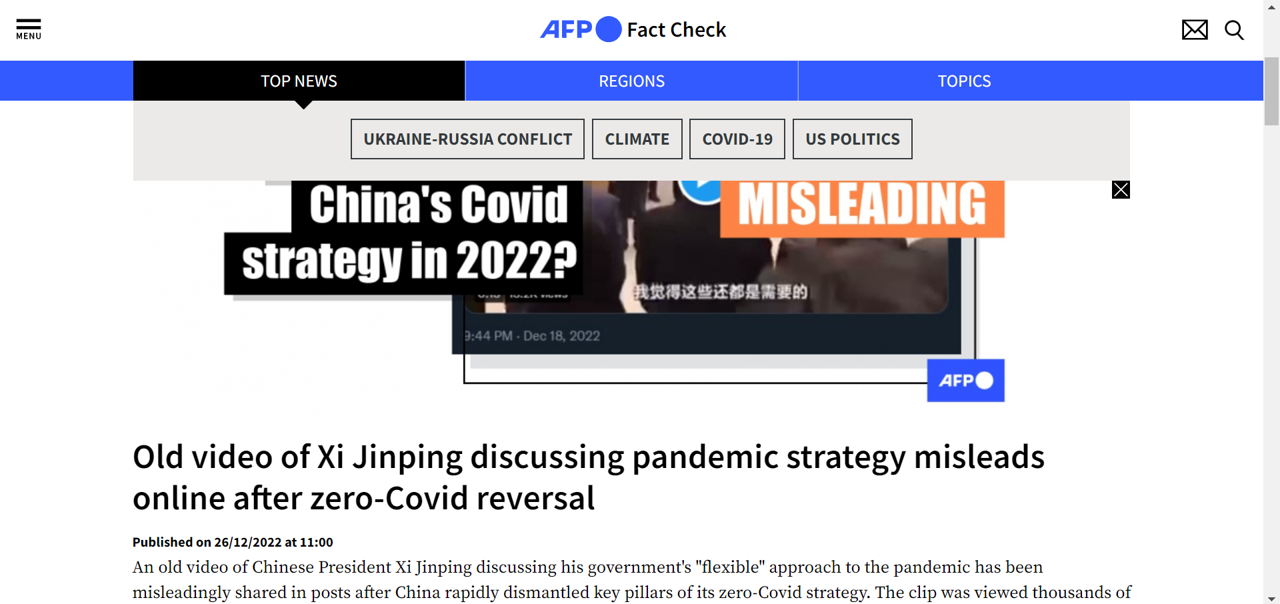
Global news agency that specializes in debunking misleading content.
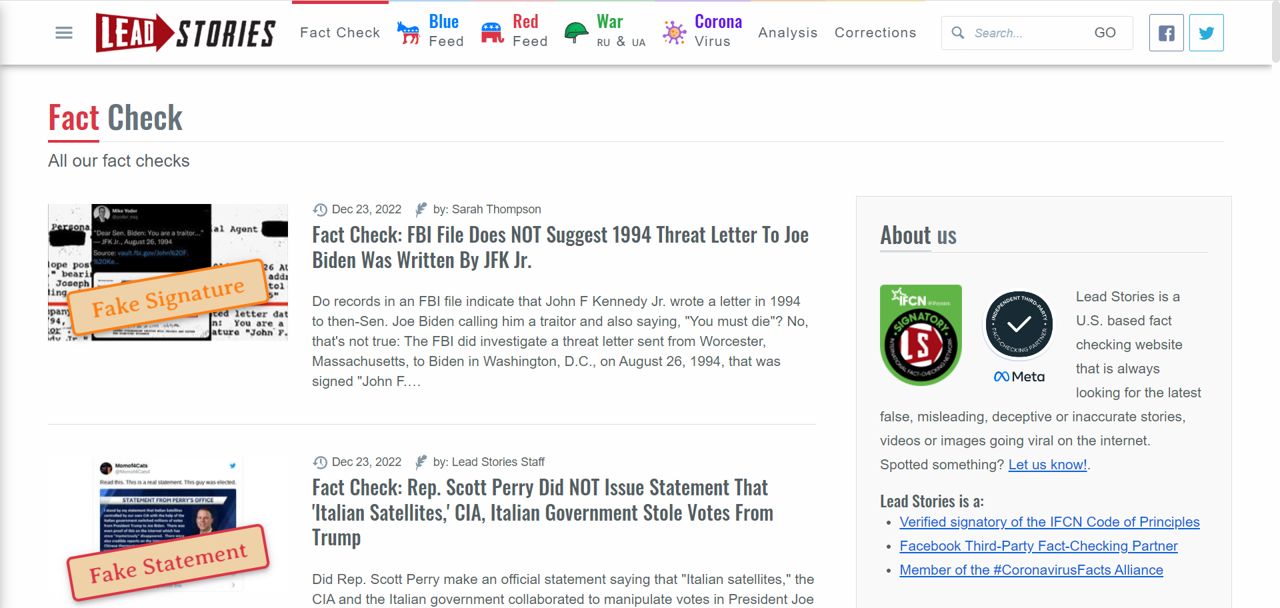
Detects and debunks trending fake news and hoaxes on known fake news sites and networks, prank generators and satirical websites
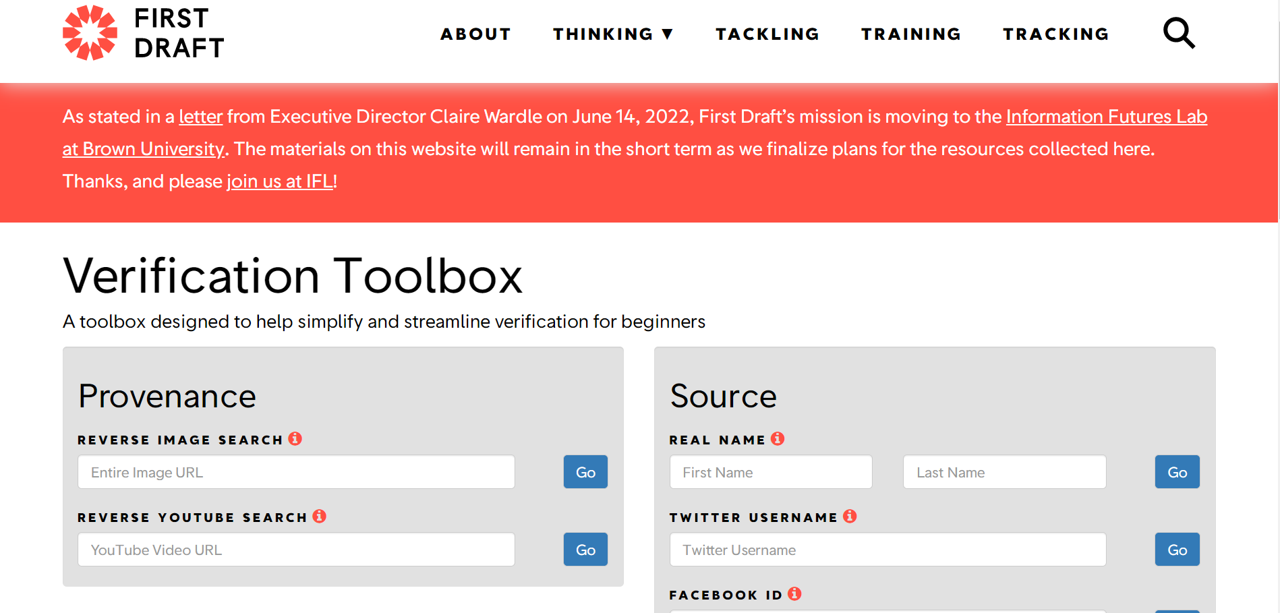
First Draft News Verification Toolbox
Treasure trove of tools that checks source, location and more.
AAP Australian Associated Press
Independent national newswire and has been delivering accurate, reliable and fast news content to the media industry, government and corporate sector for 85 years.