
Boris Bondarev, a Russian Diplomat, stated Russia’s Ministry of Foreign Affairs was deeply flawed. Even then, it discouraged critical thinking, and throughout his tenure, it became increasingly belligerent.
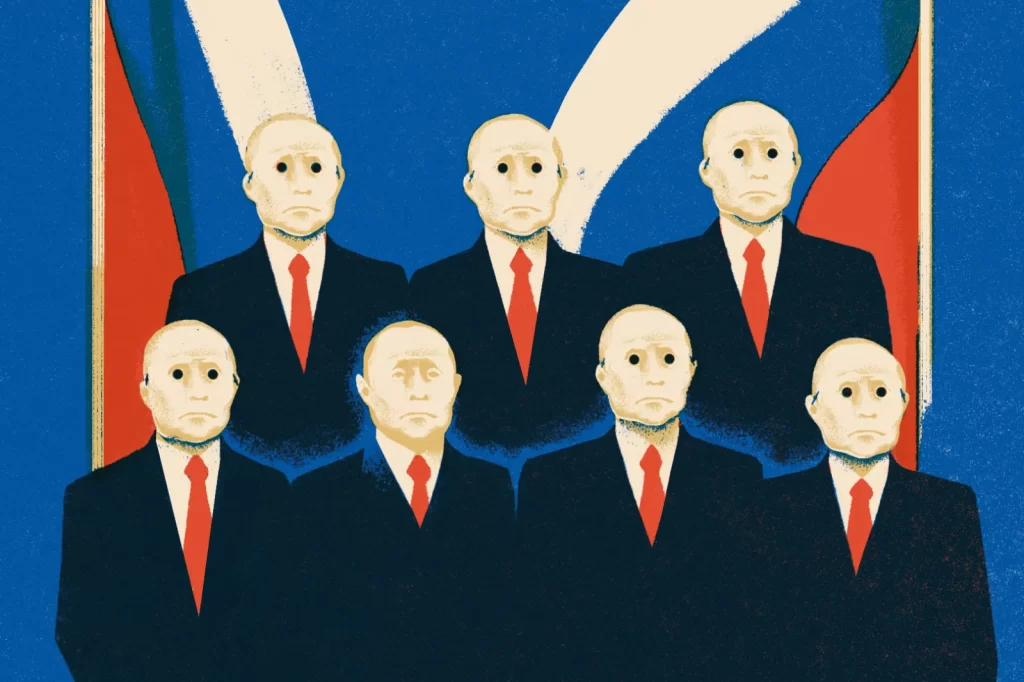
February 24 news: the Russian air force was bombing Ukraine. Kharkiv, Kyiv, and Odesa were under attack. Russian troops were surging out of Crimea and toward the southern city of Kherson. Russian missiles had reduced buildings to rubble and sent residents fleeing.
The war shows that decisions made in echo chambers can backfire. Putin has failed in his bid to conquer Ukraine. The Kremlin’s invasion has strengthened NATO, an entity it was designed to humiliate, and resulted in sanctions strong enough to make Russia’s economy contract. One way to stop Russia’s dictator was to weaken the country to the degree that it couldn’t do the kinds of things that it had done in invading Ukraine. Russia’s military has been substantially weakened, and the country has lost many of its best soldiers. With broad support from NATO, Ukraine can eventually beat Russia in the east and south, just as it has done in the north.
Russia’s bureaucracy discourages independent thought. The West did not provide Russia with the amount of aid that many of its residents thought necessary to address the country’s tremendous economic challenges. Instead, the West encouraged the Kremlin by quickly lifting price controls and rapidly privatizing state resources. For the next 16 years, right up to the invasion, Russians heard newscasters describe Ukraine as an evil country controlled by the US that oppressed its Russian-speaking population.
The West’s 2014 sanctions substantially weakened the Russian military. Russia was hit with sanctions, but they had a limited impact on Russia’s economy. As long as Putin is in power, Ukraine will have no one in Moscow with whom to genuinely negotiate. The Ministry of Foreign Affairs will not be a reliable interlocutor or any other Russian government apparatus. They are all extensions of Putin and his imperial agenda. Any cease-fire will give Russia a chance to rearm before attacking again. There’s only one thing that can stop Putin: a comprehensive rout. The Kremlin can lie to Russians and order its diplomats to lie to everyone else. But Ukrainian soldiers pay no attention to Russian state television.
Russia’s future will be deeply uncertain if Putin is kicked out of office. His successor may try to carry on the war, especially given that Putin’s main advisers hail from the security services. But no one in Russia commands his stature, so the country would likely enter a period of political turbulence. It could even descend into chaos. If Ukraine wins and Putin falls, the best thing the West can do isn’t to inflict humiliation. Instead, it’s the opposite: provide support. This might seem counterintuitive or distasteful, and any aid must be heavily conditioned on political reform. But Russia will need financial help after losing, and by offering substantial funding, the United States and Europe could gain leverage in a post-Putin power struggle.